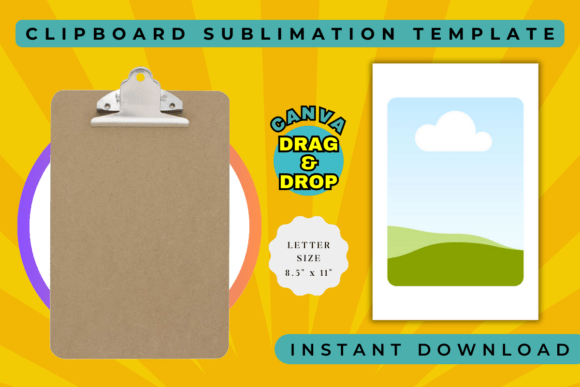
Clipboard Canva Frame Templates: Design Like a Pro
In the fast-paced world of digital content, a polished visual is no longer a luxury—it’s a requirement. Whether you’re a small business owner creating a product mockup, a blogger showcasing a new recipe, or a designer pitching a concept to a client, the way you frame your content dictates how it’s perceived. This is where the utility of a Clipboard Canva Frame Template becomes indispensable. It serves as a versatile design asset that bridges the gap between raw imagery and professional presentation, allowing you to wrap your photos and artwork in a stylistic context that resonates with your audience.
The Anatomy of a Versatile Design Asset
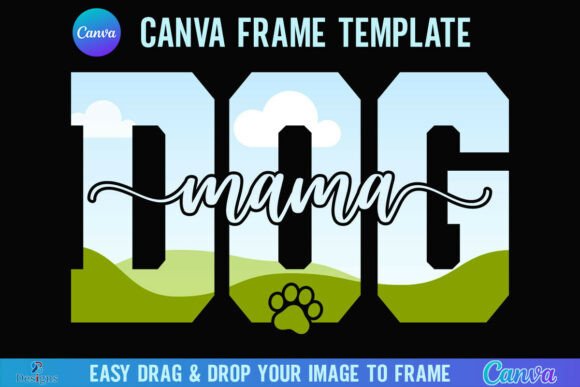
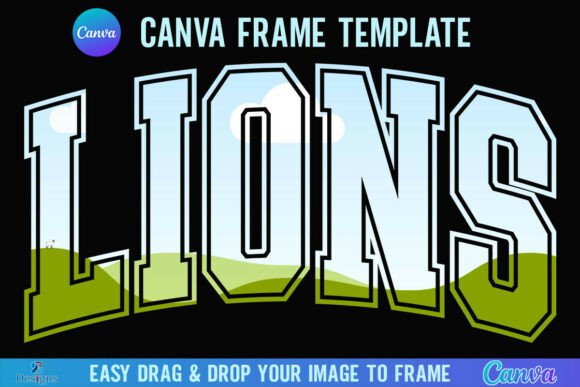
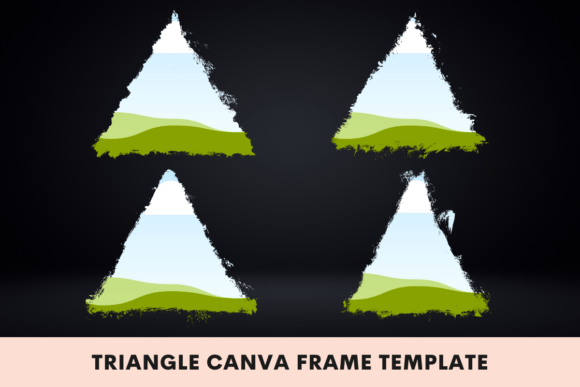
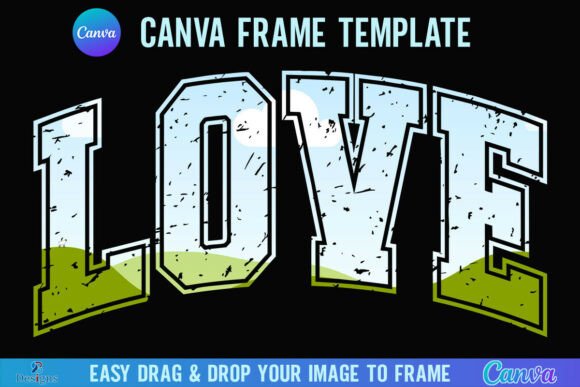
At its core, a Clipboard Canva Frame Template is a pre-designed layout engineered to spotlight your visual content. However, calling it merely a "border" undersells its potential. These templates are constructed with specific visual characteristics that evoke personality. You might find a modern frame with clean lines and sharp edges, perfect for a tech startup or a minimalist lifestyle brand. Conversely, a vintage or distressed frame instantly transports the viewer to a different era, adding warmth and nostalgia to historical photos or artisanal product shots.
The appeal lies in the variety. Unlike a standard serif font or sans serif font which dictates text readability, these frames dictate the "mood" of the image. They range from playful and whimsical—ideal for children’s content or casual social media posts—to elegant and ornate, suitable for high-end fashion lookbooks or wedding invitations. The overall aesthetic is one of intentionality. By using a frame, you are telling the viewer, "This image has been curated," which elevates the perceived value of the content inside it.
Practical Applications: Where Frames Elevate Your Brand
The true power of the Clipboard Canva Frame Template is its adaptability across various industries and project types. It is not just a tool for graphic designers; it is a solution for anyone needing high-resolution and scalable visuals.
- Social Media Graphics: In the crowded feeds of Instagram or Pinterest, a distinct frame can become part of your visual signature. It helps in creating a cohesive grid aesthetic without needing to alter your photography style drastically.
- E-commerce and Packaging: For small business owners, these frames can simulate product packaging or create mockups for packaging design. A clipboard style frame, for instance, gives a "behind-the-scenes" feel, making a product launch feel more personal and tactile.
- Editorial and Publishing: If you are working on editorial design, such as a digital magazine or a blog header, frames help organize complex layouts. They separate the headline from the imagery or highlight a specific call-to-action.
- Client Projects and Pitches: For agencies, using a premium font style frame can make a mood board or a concept presentation look finished. It shows clients how the brand identity will live in the real world, rather than just showing them raw assets.
Furthermore, these templates are invaluable for digital planners and hobbyists. If you are creating a digital sticker sheet or a mood board for a personal project, a Clipboard Canva Frame Template provides that tactile "paper" feeling in a digital medium.
Design Strategy: Hierarchy, Consistency, and Professionalism
Using a frame is a strategic design choice that influences visual hierarchy. When a viewer looks at your design, their eye needs a path to follow. A well-designed frame acts as a container that anchors the image, preventing it from floating aimlessly in the layout. This improves readability and focus, ensuring that the viewer engages with the central content before scanning the surrounding text.
From a brand identity perspective, consistency is king. If you are a content creator who relies on a specific aesthetic—say, a "boho" vibe or a "corporate clean" look—using the same style of frame across your web design and social assets reinforces that identity. It builds recognition. Over time, your audience will associate that specific frame style with your content, even before they read your logo.
Moreover, the professional polish these frames provide cannot be overstated. Amateur designs often suffer from a lack of structure. By utilizing drag & drop ready elements, you are essentially borrowing the structural logic of a professional layout. This elevates the perception of your brand, making a small business look established and a hobbyist look like a seasoned creative.
Implementation: Selecting and Customizing Your Frames
Choosing the right Clipboard Canva Frame Template requires a practical eye. You aren't just picking a pretty picture; you are selecting a functional container. Here is a guide to evaluating and implementing these assets effectively:
- Evaluate the Project Fit: Look at the content inside the frame. Is the frame competing with the image? For complex photography, choose a minimal frame. For simple product shots, a more intricate or textured frame can add necessary visual interest.
- Test Font Pairings: Frames often exist alongside typography. If you are using a script font or a handwritten font, ensure the frame style complements the fluidity of the text. A rigid, industrial frame might clash with a whimsical script, whereas a soft, rounded frame might enhance it.
- Review Included Styles: A good template pack usually offers variations. Look for packs that include different orientations (landscape vs. portrait) and color themes. This ensures you have enough versatility to last through multiple campaigns without repeating the exact same look.
- Readability and Scalability: Ensure the frame scales well. Since these are digital items, they are often vector-based or high-resolution raster files. Check that the edges remain crisp whether you are resizing for a small social icon or a large hero banner.
- Licensing and Usage: Always verify the commercial licensing. If you are using these for logo design elements or selling the final product as a template to others, you need to ensure the license permits commercial use.
The "No Design Skills Needed" Reality
The barrier to entry for high-quality design has lowered significantly thanks to tools like Canva. The philosophy behind Clipboard Canva Frame Templates is accessibility. You do not need to understand the complexities of bezier curves or layer masking in Photoshop to create a stunning visual. The "drag & drop" nature of these templates means you can focus on the content—the message, the photo, the product—rather than the technical execution.
This is particularly beneficial for those managing multiple roles. If you are a blogger who also handles marketing, or a small business owner who wears the hat of the designer, these templates save time. They allow you to produce social media graphics and promotional material that look like they were made by a dedicated creative team. It is about working smarter, leveraging pre-made design assets to achieve a professional result quickly.
Ultimately, a Clipboard Canva Frame Template is more than just a digital border. It is a context-setter, a brand-builder, and a time-saver. By selecting the right style—whether modern typography inspired or classically ornate—you can transform a simple image into a compelling piece of visual communication that captures attention and holds it.