Elevate Your Jewelry Brand with Display Templates
In the crowded online marketplace, a beautiful piece of jewelry can easily get lost in a sea of generic product shots. The difference between a scroll-past and a sale often comes down to presentation. This is where a dedicated Jewelry Card Display Template becomes an essential part of your toolkit. More than just a pretty background, it's a strategic design asset that frames your creations, tells a brand story, and instantly communicates value and professionalism to potential customers.
What Exactly Is a Jewelry Card Display Template?
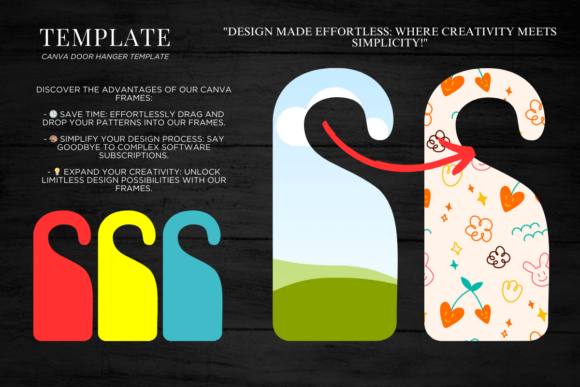
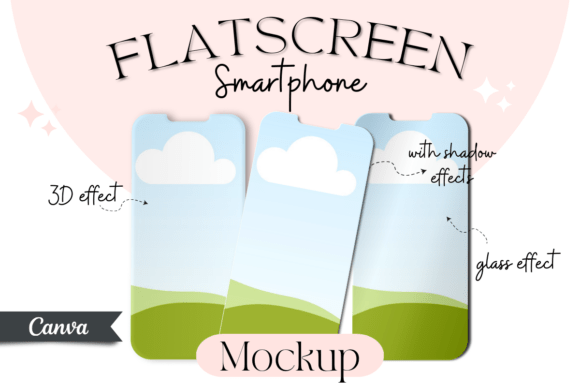
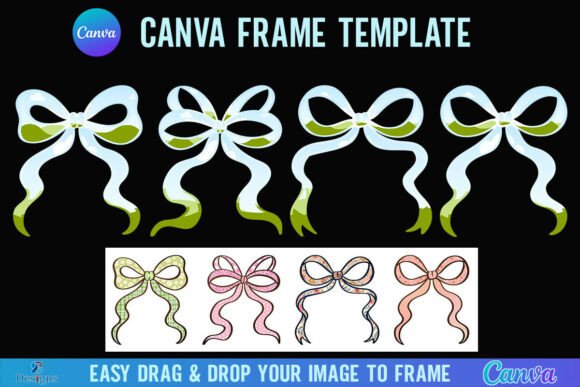
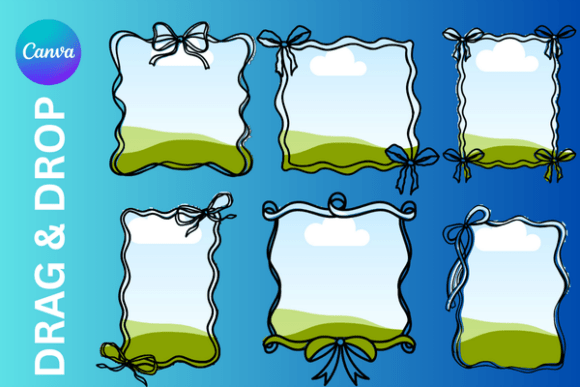
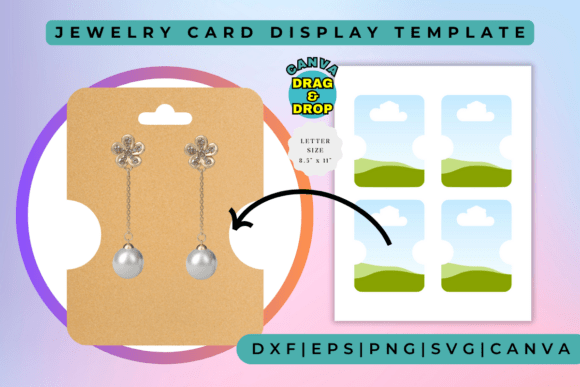
Think of it as a pre-designed, digital stage for your products. These are not physical printed cards mailed to you; they are fully editable Canva frames templates. This means you receive a digital file that you can open directly in Canva, the popular online design platform. Inside, you'll find carefully crafted layouts featuring elegant borders, stylish frames, and sophisticated backgrounds. The visual personality of these templates often leans towards modern typography and clean lines, though you'll find options ranging from minimalist and sleek to ornate and vintage-inspired. The overall appeal lies in their ability to add a layer of curated elegance to your product photos with minimal effort, transforming a simple snapshot into a branded visual.
The practical magic of these templates is their drag-and-drop functionality. You simply upload your jewelry photo, place it into the designated frame area, and the template does the heavy lifting. It provides the context and styling that makes a product feel finished and premium. For a small business owner juggling multiple roles, this saves countless hours that would otherwise be spent struggling with complex design software or hiring a photographer for styled shoots.
Where These Templates Shine: From Social Media to Packaging
The versatility of a Jewelry Card Display Template is one of its greatest strengths. It's a single design asset that can streamline your visual marketing across numerous channels. The primary use case is often for social media graphics. Imagine creating a cohesive Instagram feed where every product post has the same elegant framing and color palette. This consistency builds brand recognition and makes your profile look polished and intentional. It's perfect for announcing new collections, highlighting best-sellers, or running promotions.
Beyond social media, these templates are invaluable for web design. They can be used to create uniform product images for your online store's gallery, ensuring every item is presented with the same level of care. This uniformity enhances the shopping experience and builds trust. For those involved in editorial design—such as creating lookbooks, digital catalogs, or newsletter features—these frames provide a quick way to layout multiple products in a visually engaging grid or collage. Even for packaging design, the templates can inspire the look of your thank-you cards, care instructions, or promotional inserts that accompany your shipped orders, creating a complete unboxing experience.
The Strategic Impact on Brand Perception and Engagement
Using a consistent display template does more than just make things look nice; it directly influences how your audience perceives your brand. A well-chosen template acts as a visual signature. It contributes to brand identity by reinforcing your aesthetic—whether that's bohemian, classic, luxurious, or playful. This consistency fosters professionalism. When a customer sees the same high-quality presentation across your website, Etsy shop, and Instagram, they subconsciously register the business as established and trustworthy.
This professionalism directly impacts audience engagement. Clean, well-composed visuals are more likely to be stopped on, liked, shared, and saved. They guide the viewer's eye, creating a clear visual hierarchy that highlights your jewelry as the star. The template's frame acts as a subtle container, reducing visual clutter and improving readability for any accompanying text, like a product name or price. In essence, the template handles the "frame," so you can focus entirely on the "gem."
Practical Guidance for Choosing and Using Your Template
Not all templates are created equal. When evaluating a Jewelry Card Display Template, consider its fit with your existing brand identity. Does the style—be it a modern sans-serif vibe or a classic serif feel—align with your jewelry's aesthetic and target audience? Look at the included styles. A good pack might offer variations for different product types (rings, necklaces, earrings) or different marketing contexts (a single feature image vs. a multi-product collage).
Testing is key. Before committing to a style for your entire line, create a few test graphics. How does your most intricate piece look in a minimalist frame? Does a bold, ornate template overwhelm a delicate chain? Evaluate the font pairing if text is included—ensure any accompanying typeface is legible and complements rather than competes with your product. Since these are Canva frames templates, you have the flexibility to adjust colors, move elements, and even swap out fonts to better match your brand's color scheme and typography.
Finally, always check the licensing. Reputable template providers offer clear commercial font and graphic licenses, meaning you can use the final designs for your business without legal worries. This is crucial for any small business owner or entrepreneur. Investing in a premium, well-supported template from a trusted source gives you peace of mind and a professional result. It’s a foundational tool that empowers you to design like a pro, ensuring your jewelry is always presented in the best possible light, every single time.