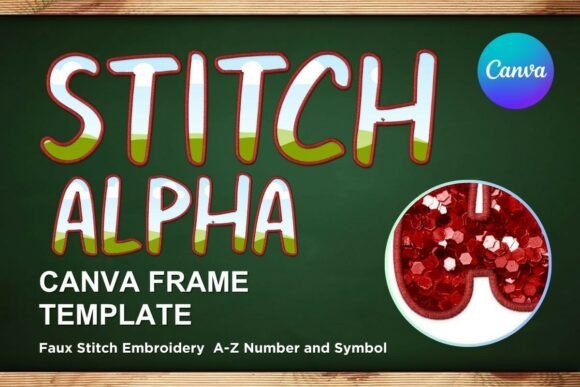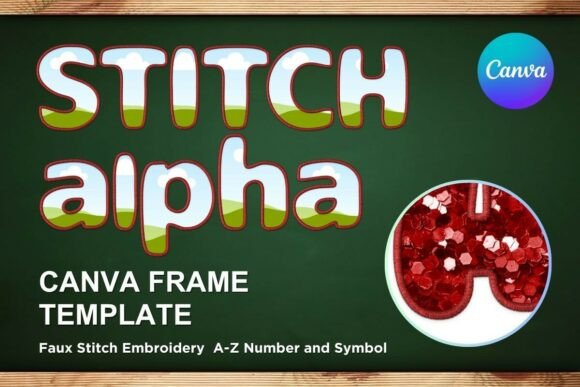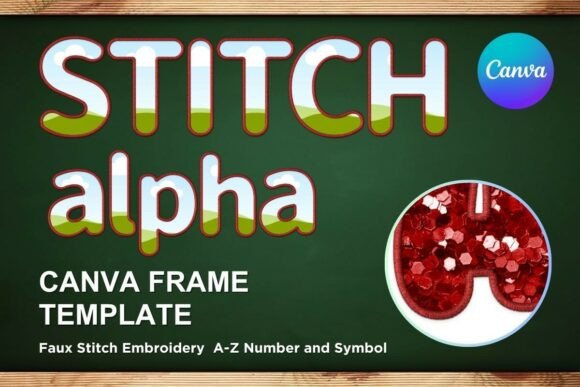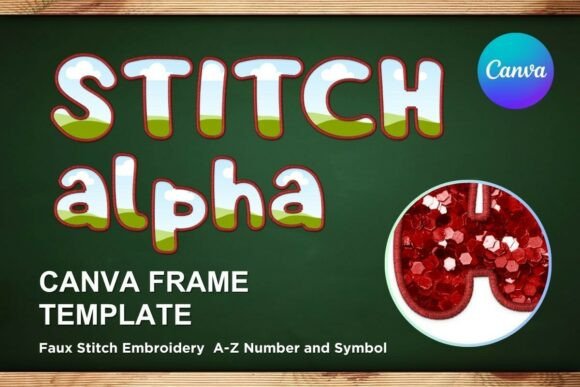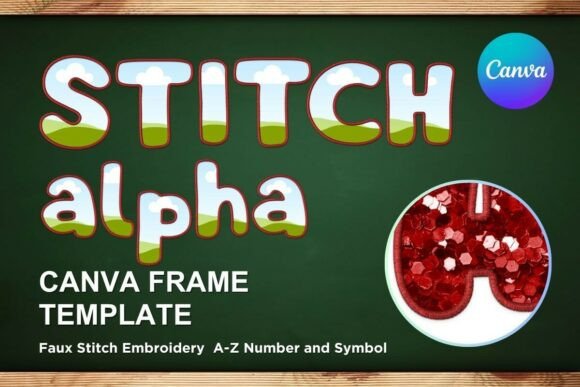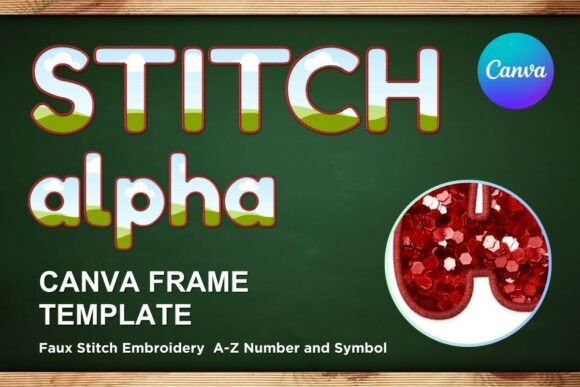
Faux Embroidery Canva Frame Letters: A Digital Twist on Classic Stitching
Understanding the Digital File: What You Actually Receive
First, let's clear up a common point of confusion. When you acquire the Faux Embroidery Canva Frame Letters_14 set, you are not purchasing a physical product. There is no shipping box, no printed paper, and no props included in your mailbox. Instead, you receive immediate access to a digital file—specifically, a single PDF. This document contains a direct link to a custom-made template hosted within Canva. This is not a static PNG or a complex SVG file that requires specialized software. It is an editable Canva frame template, designed for modern creators who value flexibility and ease of use.
The template is configured for a standard 12x12 inch paper size, a common dimension for scrapbooking and large-format lettering. However, the true power lies in its adaptability. Because it's built on a transparent layer within Canva, you can easily drag, drop, and resize these frames to suit any project. Need a smaller monogram for a business card? Scale it down. Want a bold headline for a social media banner? Enlarge it without losing quality. This approach makes it a versatile design asset for a wide range of applications.
The Aesthetic: Blending Craft with Digital Precision
The visual personality of these letters is a compelling hybrid. They mimic the texture and dimension of traditional embroidery—the slight puffiness of the stitch, the subtle shadow that suggests thread on fabric. Yet, they are rendered with the clean precision of digital design. This creates a "faux" effect that feels both handmade and polished, avoiding the potential messiness of actual textile crafts while retaining their warmth and tactile appeal. It’s a modern typography solution that taps into the ongoing trend of analog textures in digital spaces.
This style sits at an interesting crossroads. It’s not a traditional serif font with its formal strokes, nor a clean sans serif font for straightforward communication. It’s closer to a handwritten font or a script font in spirit, but with a unique textural character. Think of it as a display font or a creative font—one that’s designed to be the star of the show, not a supporting player in long paragraphs. Its personality is friendly, artisanal, and slightly nostalgic, yet the digital execution keeps it feeling current.
Practical Applications: From Branding to Personal Projects
Where does a typeface like Faux Embroidery Canva Frame Letters_14 truly shine? Its strength is in projects where you want to convey authenticity, craftsmanship, and a personal touch without sacrificing professionalism.
For brand identity, it’s ideal for businesses in the lifestyle, home goods, artisanal food, or boutique retail sectors. Imagine it on a logo for a handmade soap company, a bakery’s packaging, or the header of a lifestyle blog. It instantly communicates a story of care and quality. In packaging design, these letters can make a product feel special and gift-worthy, elevating the unboxing experience.
In editorial design and publishing, use it for chapter titles, pull quotes, or feature article headers in magazines or newsletters aimed at creative audiences. For social media graphics, it’s a standout choice for Instagram story headers, Pinterest pins, or Facebook cover photos, especially for accounts focused on DIY, crafts, or home decor. The textured look is highly engaging in a flat digital feed.
For print projects, think greeting cards, wedding invitations with a rustic theme, or promotional flyers for a local craft fair. In the digital realm, it works beautifully for website hero text (used sparingly), email newsletter banners, or as part of a web design element for a creative portfolio.
Strategic Design Considerations
Choosing this font is more than just an aesthetic decision; it’s a strategic one that influences how your audience perceives your message. The textured, dimensional nature of the faux embroidery style naturally creates a strong visual hierarchy. It commands attention, making it perfect for headlines and key phrases you want to stand out.
However, this same characteristic demands careful consideration of readability. At small sizes or in long blocks of text, the texture can become muddy and difficult to decipher. It’s best used for short, impactful words or phrases. Always test your design at the intended viewing size—whether that’s on a phone screen or a printed poster—to ensure clarity.
When it comes to font pairing, balance is key. The ornate, textured nature of the embroidery letters pairs well with simpler, cleaner typefaces. Consider combining it with a legible sans serif font for body copy to create a harmonious contrast. A classic serif font could also work for a more traditional, editorial feel. Avoid pairing it with other highly decorative fonts, as this can create visual chaos and undermine professionalism.
While the template is provided for use in Canva, think of it as a starting point for your logo design or other branding elements. You might use the frames to create initial letterforms, then refine or incorporate them into a broader design system in other software. The commercial license typically associated with such assets allows for this kind of use in client work and products for sale, but it’s always prudent to review the specific terms provided by the creator.
Making It Work for You
Ultimately, the Faux Embroidery Canva Frame Letters_14 template is a specialized tool in your creative toolkit. It’s not a one-size-fits-all solution, but when applied to the right project, it can significantly enhance brand perception