Faux Embroidery Canva Frame Letters: A Textured Design Guide
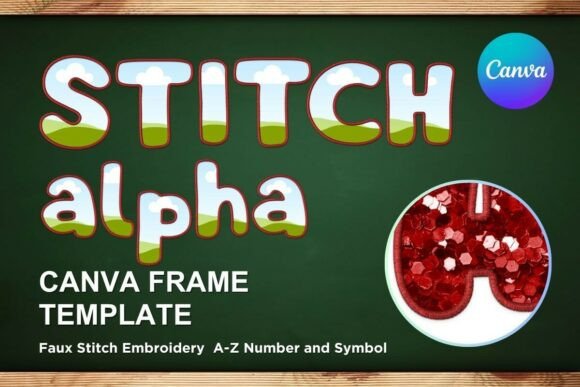
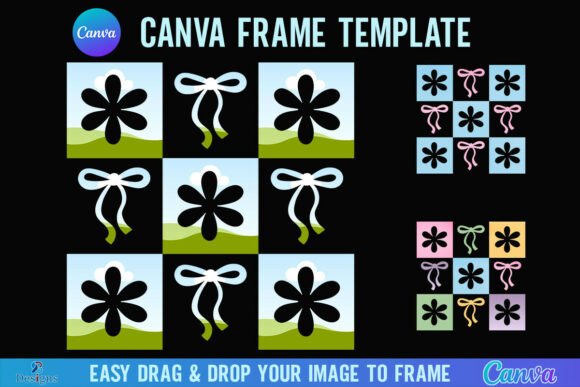
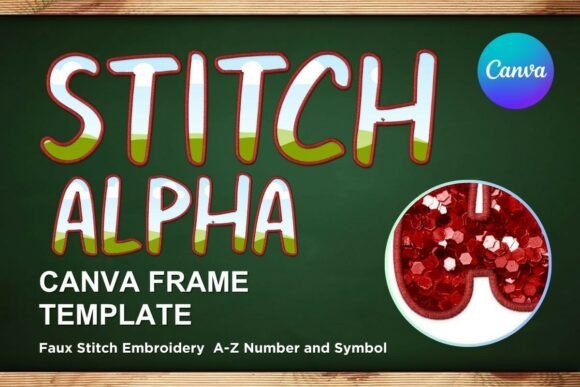
There’s a distinct charm to embroidery. It suggests patience, craftsmanship, and a tactile quality that digital design often lacks. We see it on vintage denim jackets, heirloom samplers, and boutique packaging, and it immediately evokes a sense of warmth and handmade authenticity. Translating that feeling into a digital asset is the challenge. That’s the precise problem the Faux Embroidery Canva Frame Letters_26 solves. It’s not a traditional font file you install. Instead, it’s a clever, editable Canva template that provides the frame for each letter, giving you the complete embroidered aesthetic without the thread and needle.
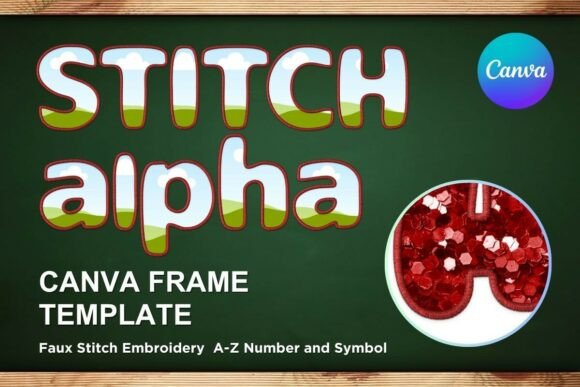
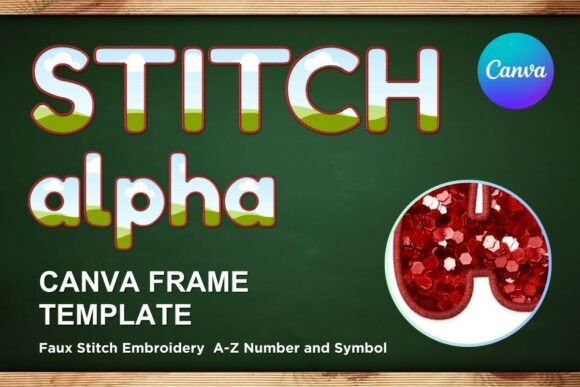
Think of it as a set of digital embroidery hoops, each one holding a letter. The visual style is unmistakable: it mimics the look of stitched thread with subtle, textured outlines and a slightly imperfect, organic feel. This isn’t a sterile, perfect vector. It has personality. The lines have a gentle wobble, and the fill areas suggest the direction of a stitch. This quality makes it a standout display font for projects where you want to bypass cold, corporate modernity and inject immediate character and approachability.
Where This Textured Template Truly Shines
The power of Faux Embroidery Canva Frame Letters_26 lies in its ability to communicate a specific brand personality instantly. It’s a tool for storytellers. For a small-batch jam company, using these letters on a label or a social media graphic tells a story of homemade quality before a customer even reads a word. A lifestyle blogger can use it for section headers or Pinterest pins to reinforce a cozy, authentic personal brand. It’s a creative font solution that does heavy lifting in the realm of brand identity.
Consider its applications across various mediums. In social media graphics, it stops the scroll. A bold, embroidered "SALE" or a heartfelt "Thank You" feels more genuine and tactile than standard text. For packaging design, especially for artisan goods, crafts, or boutique items, it elevates the perceived value. It’s also surprisingly effective in editorial design for pull quotes, chapter titles, or magazine cover lines where a thematic, textured look is desired. The key is using it for moments of emphasis—headlines, logos, single words—where its detailed texture can be appreciated without compromising readability at small sizes.
Practical Integration and Design Strategy
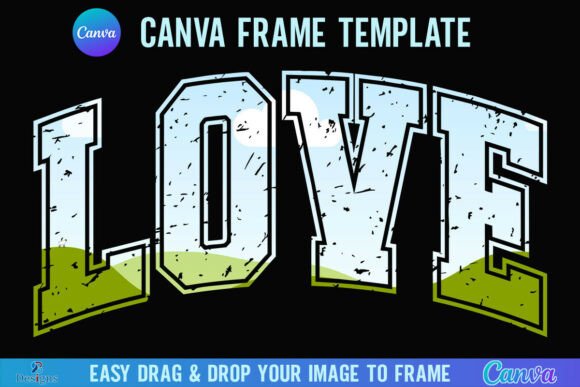
Working with this template is straightforward, but a strategic approach yields the best results. Since it’s an editable Canva frame, your workflow is drag-and-drop. You select a letter frame, drop in your chosen color, texture, or even a photograph, and the design is applied within the letter’s shape. This method offers incredible versatility. You could create letters filled with a subtle linen texture for a rustic feel, a vibrant gradient for a modern twist, or a brand pattern for cohesive marketing materials.
A critical consideration is font pairing. The ornate, textured nature of the faux embroidery letters means they demand a quiet, stable partner. Pairing them with a clean, neutral sans serif font for body text is almost always the right move. A simple serif font with good readability can also work for more traditional contexts. The goal is contrast: let the embroidered headline be the star, and use the accompanying text as a reliable supporting actor. Avoid pairing them with other highly decorative, script fonts, or handwritten fonts, as this will create visual chaos and undermine professionalism.
Before committing, evaluate your project’s core needs. If you require a single, downloadable PNG or SVG for a cutting machine, this isn't the product—it's a Canva-native solution. But if your workflow lives in Canva and you need a quick, impactful way to create unique sublimation letters, logos, or graphics, it’s ideal. Test the visual hierarchy: use the embroidered letters for the most important word or phrase. Check readability at the intended size; the texture works best when it has room to breathe. Finally, always review the terms of use. As a premium font asset, it typically comes with a commercial license, allowing you to use it in projects for sale, but confirming this is a professional best practice.
In essence, Faux Embroidery Canva Frame Letters_26 is more than just a design asset. It’s a bridge between the digital and the handmade, a tool for adding a layer of narrative and warmth to your projects. By understanding its strengths—its textural appeal, its role in branding, and its practical use in Canva—you can wield it to create designs that feel both personal and polished, connecting with audiences on a more human level.